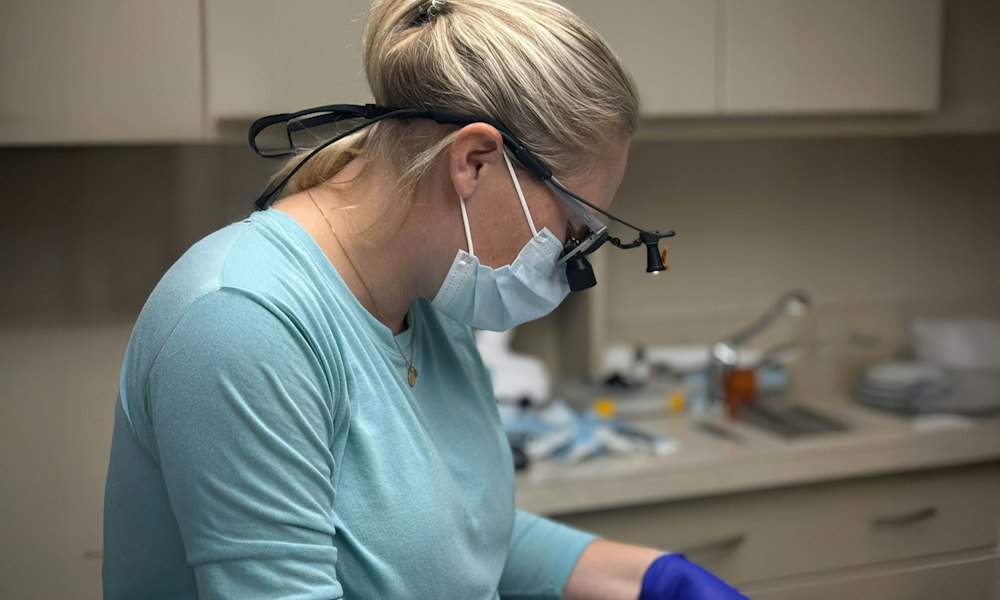
Dr. Hixson places and restores implants herself. Your surgery and your final restoration happen in one office, with one dentist guiding every step. This continuity of care is one of the surest ways to get the most from this life-changing solution.
Laser Gum Refinement
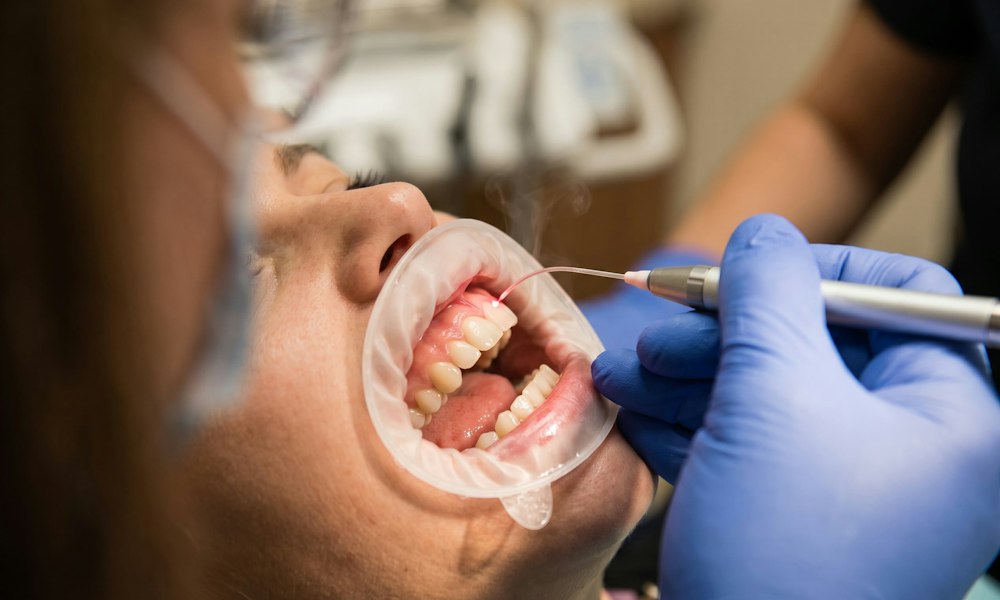
Excess gum tissue can make a new tooth look short or uneven. Dr. Hixson uses a dental laser to reshape the gumline during the same visit as your implant restoration, so the finished smile looks balanced.
Unrushed Boutique Appointments
This is a boutique practice with unrushed appointments. Patients have left more than 150 five-star reviews. You get time to ask questions and a clear plan before any implant treatment begins with our dentist in Bismarck, ND.
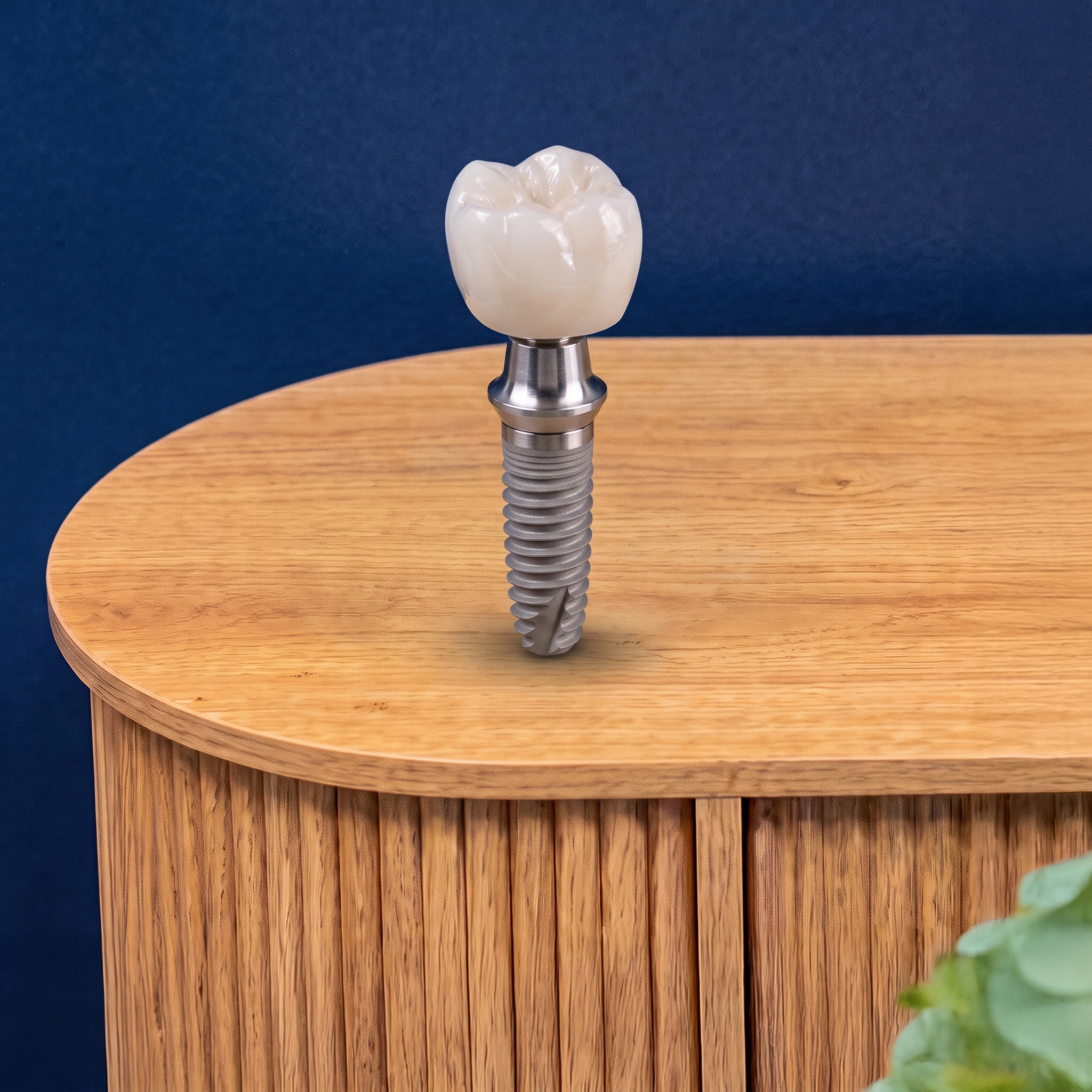
A dental implant is a small titanium post that replaces a missing tooth root. Dr. Hixson places the post in the jawbone, and bone tissue fuses to it over the following months. That fusion is called osseointegration, and it allows an implant to provide the ultimate support to a replacement tooth.
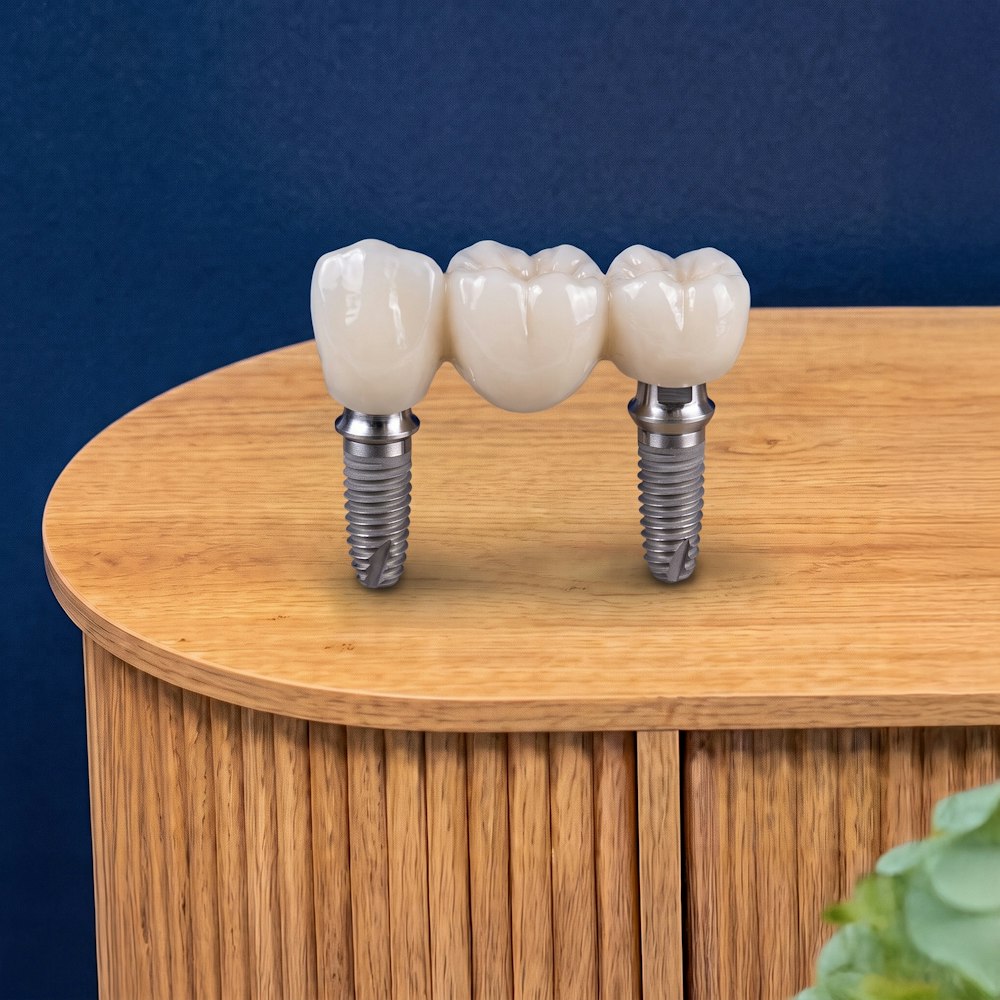
After the bone heals, a connector called an abutment is attached to the post. Dr. Hixson then fits the final restoration on top: a porcelain crown, a bridge, or a denture.
Implants do something no other restoration can do. They maintain healthy jawbone tissue after tooth loss, and they keep neighboring teeth from drifting into the gap and throwing off your bite. Without the stimulation that tooth roots and dental implants provide, your jaw will eventually shrink and change shape. If you are suffering due to missing or severely compromised teeth, you owe it to yourself to explore dental implants.
Who Is a Good Implant Candidate
Most adults who have lost teeth can be treated with implants. Patients often come in after a tooth breaks, after an infection that cannot be reversed, or after years with a denture that slips. Implants work for one tooth or several teeth in a row.
Generally speaking, you are likely a candidate for dental implants if you:
Are missing teeth or have teeth that cannot be salvaged
Have enough healthy bone tissue in the jaw to support an implant
Have no active gum disease or other oral health issues
During a consultation, Dr. Hixson can evaluate your candidacy and recommend solutions if you need pre-treatment to qualify.
Dr. Kate Hixson with real patient
The Dental Implant Process
Consultation
Dr. Hixson examines your mouth, reviews your health history, and builds a treatment plan around the teeth you need to replace.
Placement
Dr. Hixson places the implant post in your jawbone. You wear a temporary prosthesis while the site heals.
Healing
Bone fuses to the post over three to six months. This is the step that gives an implant its long-term hold.
Abutment
The connector is attached to the post. The gum tissue around it needs a short healing period, often two weeks to one month.
Restoration
Dr. Hixson places your custom crown, bridge, or denture.
Depending on your needs, your dental implant can support:
Porcelain Crowns
A single crown fills a single gap. It is shaped and shaded to match the teeth beside it.
Dental Bridges
Implants can support a bridge that replaces several teeth in a row.
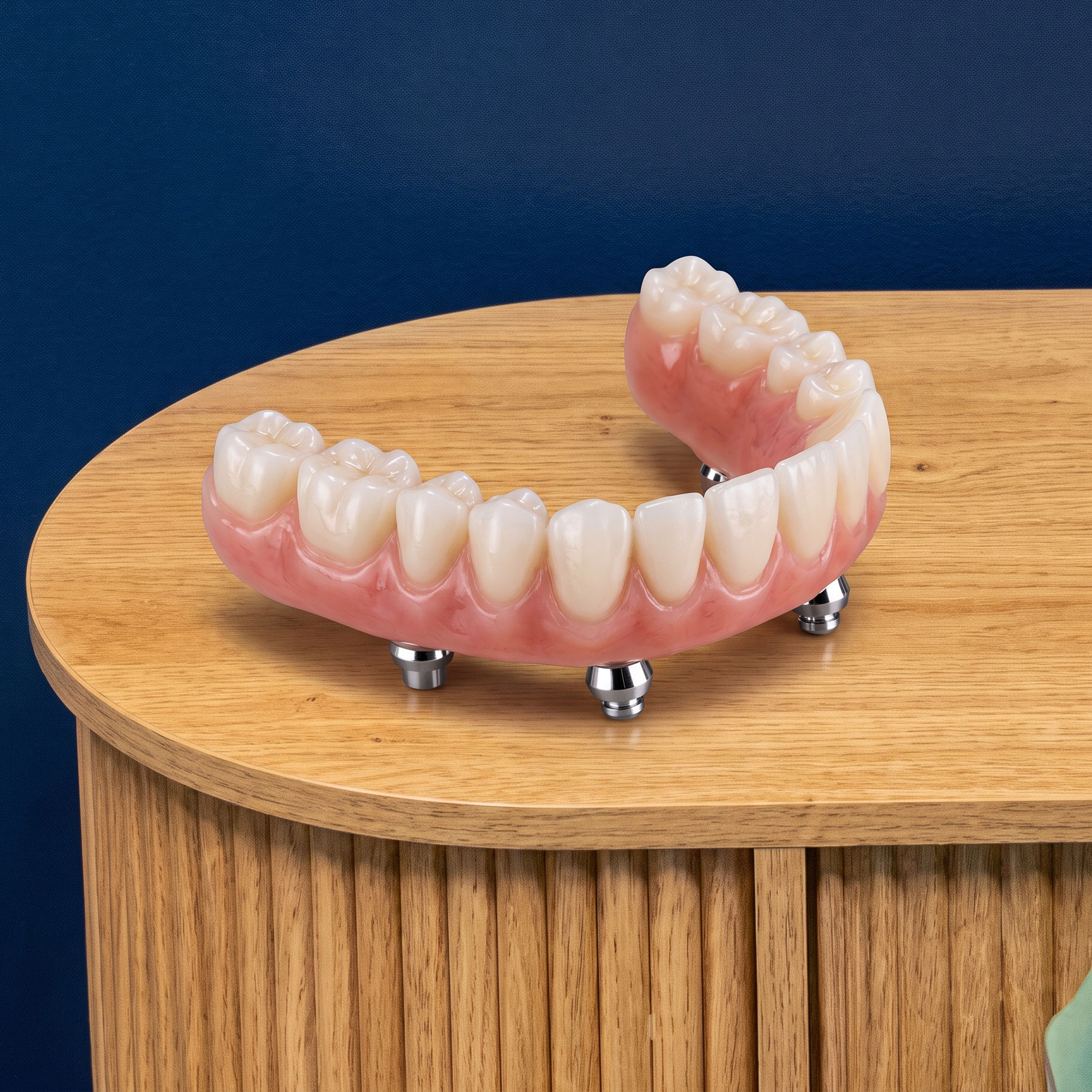
Implant-Supported Dentures
A set of implants anchors a full denture so it stays put while you eat and talk.
Laser Gum Refinement in One Visit
Sometimes the gumline needs a small adjustment before a new tooth looks just right. Excess gum tissue can make a restored tooth look short, and an uneven edge draws the eye.
Dr. Hixson performs mini gum lifts with a dental laser, trimming excess tissue and shaping the gumline with precision. She can do this during the same appointment as fitting your implant restoration for a balanced final result.
There is no single price for a dental implant, because no two cases are the same. Your estimate depends on several factors, including:
How many teeth you are replacing
Whether the restoration is a crown, a bridge, or a denture
Any preparatory treatment your mouth needs first
We go over the numbers before treatment starts, not after. Our team will help you find out whether your insurance is accepted. The practice also accepts CareCredit® financing and other options that make care affordable on any budget.
“I was overwhelmed how professional friendly the atmosphere use of technology on how this was performed on my very 1st visit. I could not be more pleased."
How long does the dental implant process take? The bone tissue needs three to six months to fuse to the implant post, and the abutment step needs a shorter healing period, often two weeks to one month. You wear a temporary prosthesis during that time. Dr. Hixson will provide a more specific timeline at your consultation.
2.
How long do dental implants last? The implant itself can last 40 years or longer with proper care, such as daily oral hygiene and regular checkups. The crown, bridge, or denture on top sustains daily wear and may need to be replaced after a period of 10 to 15 years.
3.
Do dental implants prevent bone loss in the jaw? Yes. A natural root stimulates the bone around it, and when the root is gone, that bone begins to shrink. The implant post takes over that job, which protects your jawbone and your bite.
4.
Can dental implants replace more than one tooth? Yes. Implants can replace a single tooth with a porcelain crown or several teeth in a row with an implant-supported bridge. Implants can also anchor a denture. Dr. Hixson reviews your case at our Bismarck office and recommends the option that fits your concerns, goals, and budget.
“The staff is always personable and extremely kind and considerate. They make sure that the client is taken care of in the best way!” — Lyndon, 5-Star Review